
Pennsylvania Warrant Search Limits
Pennsylvania courts and police share warrant information through secure criminal-justice systems, including CLEAN, NCIC, and electronic court workflows. Those tools are for authorized users. The Commonwealth does not provide the public with one complete name search of every active warrant. Public information is instead split among the issuing court, sheriff, police department, adult probation office, Domestic Relations office, and selected wanted-person lists. Coverage and refresh times vary. A missing web result does not prove that no warrant exists.
The Unified Judicial System Case Search can reveal a bench-warrant event within a public docket. It is not a live warrant-confirmation service. Search the chronology for both the issue event and a later entry showing that the warrant was served, lifted, or recalled. The official status remains with the issuing Magisterial District Court, Philadelphia Municipal Court, Court of Common Pleas, or other responsible office.
An official Pennsylvania courts update about system continuity illustrates why access to electronic court services can change during planned operational work.
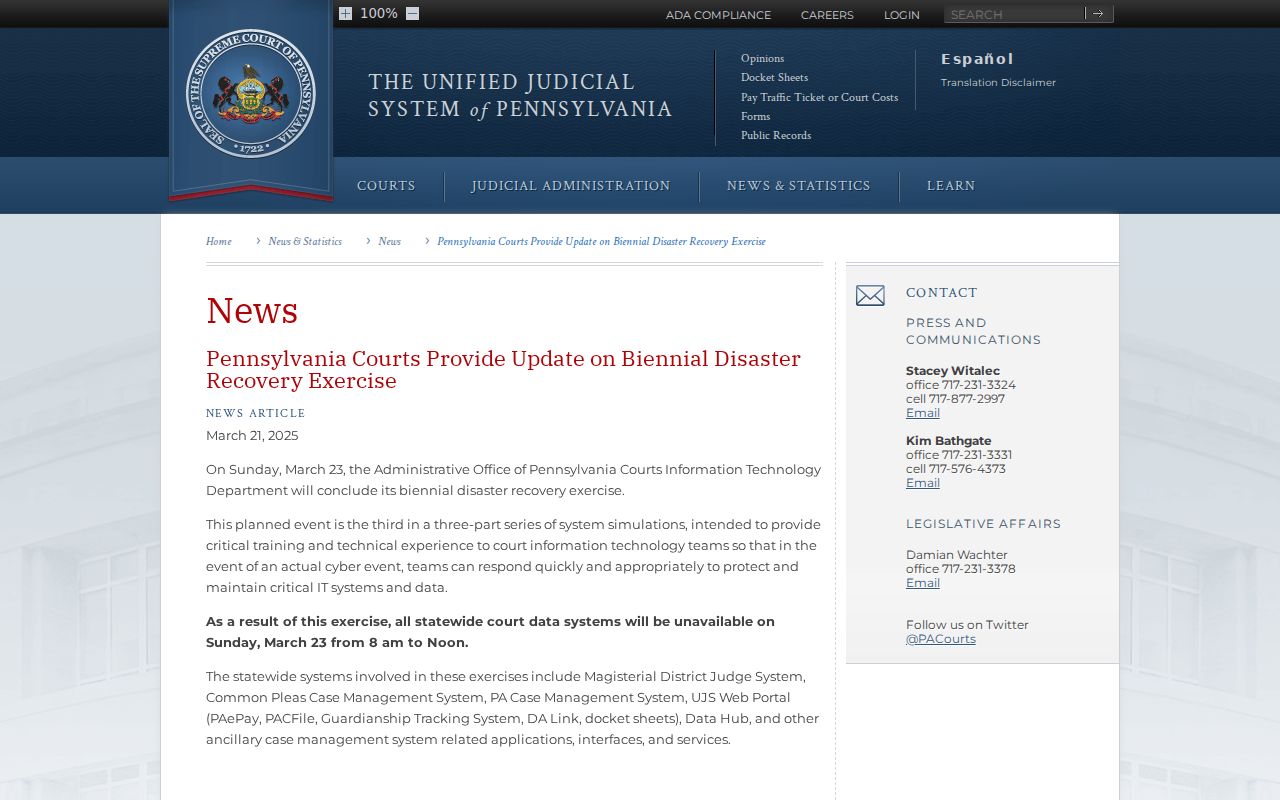
When an online court service is unavailable, a deadline or required appearance still stands unless the court orders otherwise, so direct court verification matters.
Pennsylvania Warrant Types
The word warrant can describe several distinct Pennsylvania orders. The reason for issuance determines which court or agency controls the record. An arrest warrant usually follows a complaint supported by probable cause. A bench warrant arises from an existing court matter. Search warrants concern places or evidence rather than a public wanted-person list. Other holds may involve supervision, support, or interstate custody. Treat each label as a route to the proper custodian, not as proof of guilt.
Pennsylvania judges and Magisterial District Judges issue warrants within matters before their courts. Police execute arrest and search warrants. County sheriffs, probation departments, police, prosecutors, and Domestic Relations offices may maintain operational records or selected public wanted lists. The issuing court controls whether its warrant is lifted or recalled, even when another office publishes the person's name.
- Arrest warrant: a judicial order authorizing arrest based on a complaint and probable cause; the issuing court and police hold operational status.
- Bench warrant: a court order often tied to failure to appear, bail violation, contempt, noncompliance, or a probation matter.
- Search warrant: authority to search or seize within stated limits; its affidavit, inventory, or return may stay sealed during an investigation.
- Support or civil-contempt warrant: an order from Domestic Relations or Common Pleas concerning support enforcement, with family details protected.
- Summary or traffic warrant: an order that may follow a missed response or appearance in a Magisterial District Court or Municipal Court matter.
- Fugitive or extradition warrant: an interstate custody process that can involve the Pennsylvania State Police, prosecutors, courts, and executive authority.
A probation or parole detainer can keep a person in custody but is not always a new arrest warrant. The county supervision office or state parole authority is the source for that hold. Likewise, a public docket entry may record a warrant without exposing the supporting affidavit.
The official Pennsylvania Judicial Code material provides statutory context for judicial and law-enforcement responsibilities.
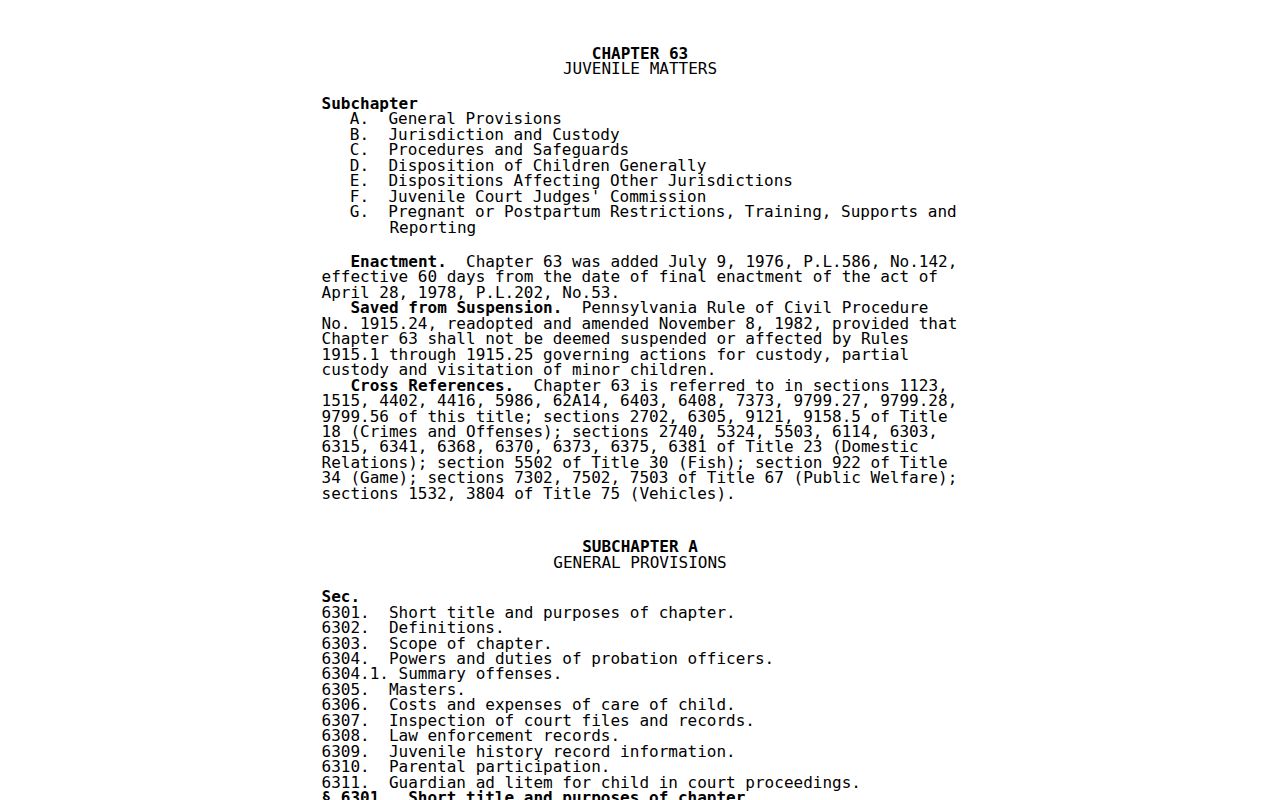
Statutory text should be read with the issuing court's current rules and case order because the legal basis and procedure differ by warrant type.
Search Pennsylvania Warrant Records
Start with the filing county and the court level most likely to have issued the order. Traffic, summary, and preliminary criminal matters often begin before a Magisterial District Judge. Philadelphia Municipal Court fills comparable local roles in Philadelphia. Common Pleas may hold criminal, probation, family, or support proceedings. Use a docket number, OTN, citation number, or exact name with a county filter when available. Multiple identifiers reduce the risk of confusing people who share a name.
Then trace the public docket in date order. A bench-warrant issue entry is only one point in the case. Later entries may report service, lodging, recall, lifting, a new hearing, or changed bail. If the docket points to a sheriff, Adult Probation, or Domestic Relations office, contact that named custodian. Some offices limit what they confirm by phone, but they can state the proper request or appearance process.
- Open UJS Case Search and choose the plausible court level. Search each relevant level because one query does not cover every warrant source.
- Enter the docket number or OTN when known. Otherwise, use the full participant name and county, then compare case dates and charges.
- Read every warrant-related event and later status entry. Do not treat an old issue event as proof of a current active order.
- Use the Pennsylvania county directory to find the issuing court, sheriff, probation office, or Domestic Relations office.
- Verify current status and instructions directly. Counsel can make an inquiry and arrange an appearance or surrender when needed.
Recent court technology incidents also show why a screen result is not the whole verification chain. The judiciary's official cyber-attack update documented a period when public online services were disrupted.
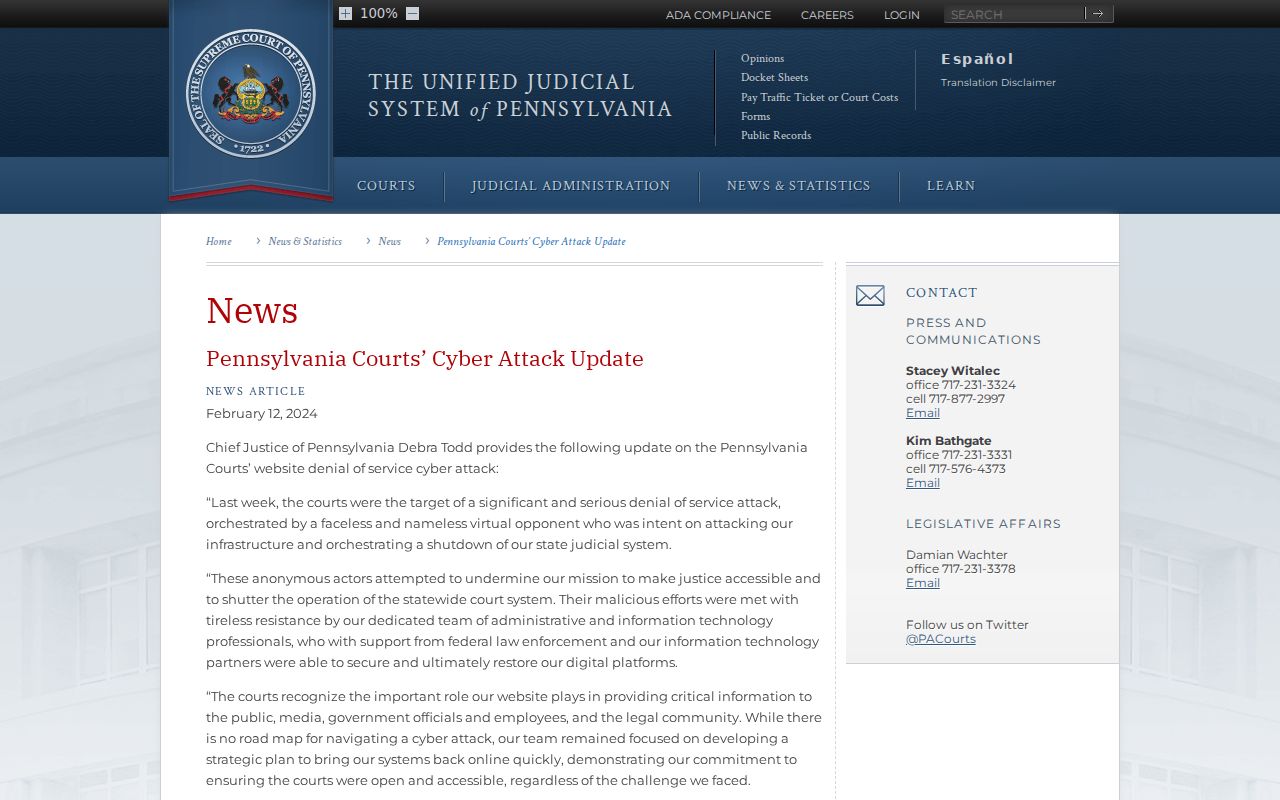
A portal outage, maintenance window, or delayed filing should lead to an official phone or in-person check, not a claim that no Pennsylvania warrant exists.
Pennsylvania Warrant Search Fields
Pennsylvania has no complete public warrant-specific form, so the most useful public fields are those on UJS Case Search. Court selection changes which fields and case types appear. Search results are docket clues, not an operational confirmation. Use the strongest known key first and preserve the source label for each identifier.
| Best Key | Why Useful | Limitation |
|---|---|---|
| Docket number | Finds the issuing case directly | The correct court level must be selected |
| OTN | Links stages of a criminal matter | Not used for every type of warrant |
| Participant name and county | Locates a possible public docket | Same-name matches and restricted cases create gaps |
| Citation number | Finds a traffic or summary source | Payment alone does not guarantee recall |
| Complaint or incident number | Connects a known police or court identifier | The number may not be public or known |
| Scheduled events | Shows a missed or upcoming hearing | A calendar does not certify warrant status |
If only a name is known, search plausible counties and court levels separately. Save the docket number before calling the Pennsylvania issuing office.
Pennsylvania Warrant Record Fields
A public wanted entry and a court docket serve different purposes. A sheriff or probation post may be designed to identify a wanted person and provide tip or surrender directions. A UJS docket instead records procedural events in the underlying case. Neither product promises every field, and neither should be used to expose a victim address, juvenile detail, sealed affidavit, or investigative information.
| Field | What It Shows |
|---|---|
| Name and identifiers | Full name, photo, limited demographics, or last known municipality when lawfully published |
| Reference | Docket, warrant, OTN, complaint, or agency number used to identify the matter |
| Charge or reason | Offense description, failure to appear, alleged violation, contempt, or other stated basis |
| Issue and status events | Issue date plus later service, lodging, recall, or lifting entries where public |
| Court and agency | Issuing court, judge, sheriff, probation office, or police agency tied to the record |
| Bail information | Amount or type shown in the case record, subject to later judicial change |
| Instructions | Official tip, surrender, appearance, or contact directions on a public wanted entry |
The Pennsylvania Right-to-Know Law governs many executive-agency records, but ordinary judicial case access follows court policy and the court custodian's process.
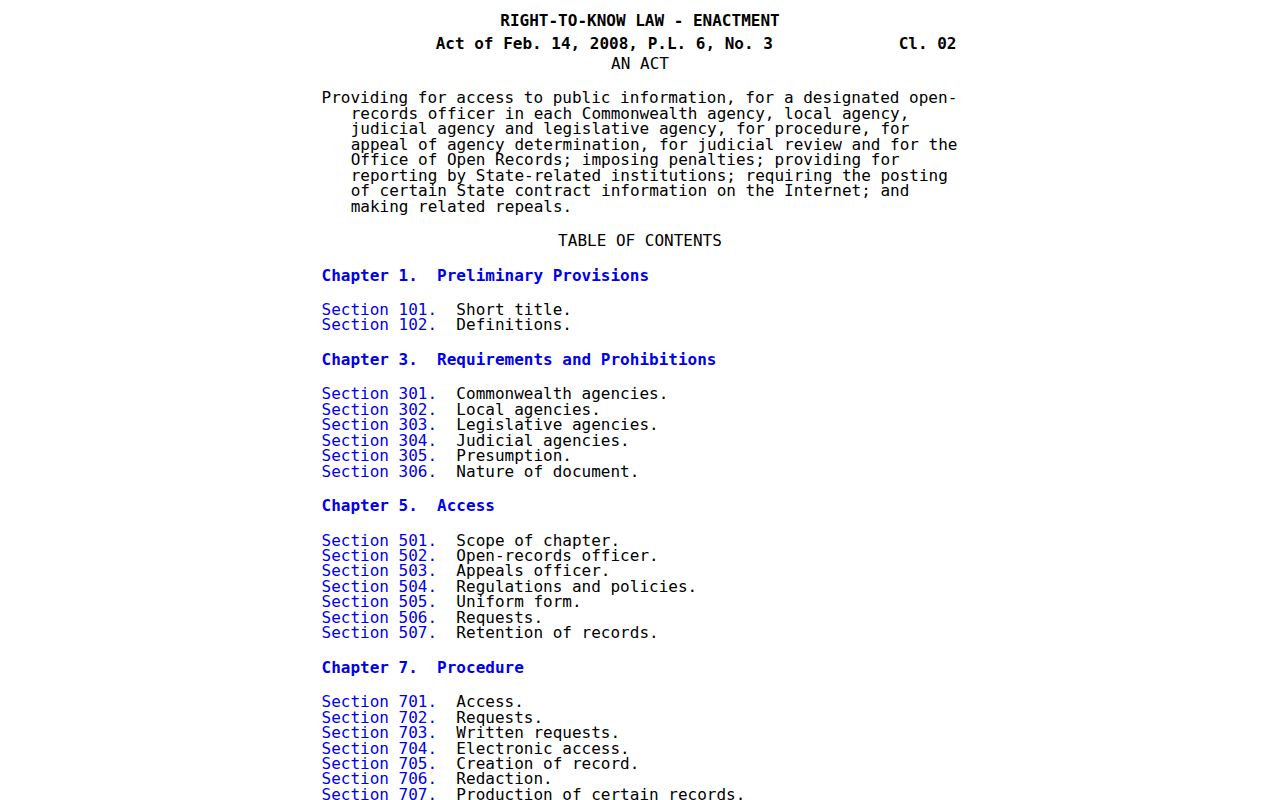
A request for a filed court document should therefore go to the court, while a request for releasable sheriff administrative material may follow the agency's open-records route.
Verify Pennsylvania Warrants Locally
County routing is required because all 67 Pennsylvania counties keep local court and agency records, even when judges and courts share statewide technology. Begin with the county where the citation, arrest, missed hearing, support case, or supervision occurred. The Pennsylvania county directory leads to the local court-record site for the issuing place. From there, identify the exact Magisterial District Court, Municipal Court, Common Pleas division, sheriff, probation office, or Domestic Relations office.
Local access is not uniform. One office may publish a searchable wanted list, another may post selected cases, and another may require a direct inquiry. A shared judicial district does not merge county sheriff, probation, or Domestic Relations records. Ask whether the office will confirm status, what identifier it needs, and how to obtain written proof of a recall or other action.
Note: A county wanted list may lag behind a court order, while a sealed or newly issued Pennsylvania warrant may never appear publicly.
Resolve a Pennsylvania Warrant
Identify the issuing court and case before taking action. A Pennsylvania lawyer can verify the matter, file an appropriate motion, request a new hearing, address bail, or arrange surrender. Only the court can lift or recall its order. A clerk, sheriff employee, or payment vendor cannot promise a judicial outcome. Ignore third-party demands for instant payment, gift cards, or secrecy, and use contact information independently reached through UJS or the county's official site.
Prepare for the possibility of arrest, processing, and bail review. Keep identification and case information available. Arrange care for dependents and medication through lawful facility procedures. In a traffic or summary case, the court may require a plea, approved payment, or hearing, but an online PAePay transaction is not universal warrant clearance. In support or supervision matters, Domestic Relations, probation, or parole procedures also control.
Important: Consult a licensed Pennsylvania attorney or the issuing court before surrendering, paying, or relying on an online warrant entry.
After any court action, obtain the written order or fresh docket. Confirm that the operational agency received the update because public pages and law-enforcement systems can refresh on different schedules.
Pennsylvania Warrant Safety
Never confront or try to apprehend a person based on a Pennsylvania warrant record. Call 911 for immediate danger. Otherwise, send a tip only through the contact channel named by the official sheriff, police, probation, or regional Crime Stoppers source. Do not publish a tipster's identity or sensitive location information. A public wanted notice is a request for official contact, not permission for private enforcement.
Federal matters follow a separate path. Federal fugitive publicity is not a complete federal warrant index, and a federal case will not be confirmed by UJS. The assigned U.S. Bankruptcy Court source demonstrates that Pennsylvania federal courts maintain their own systems and dockets.
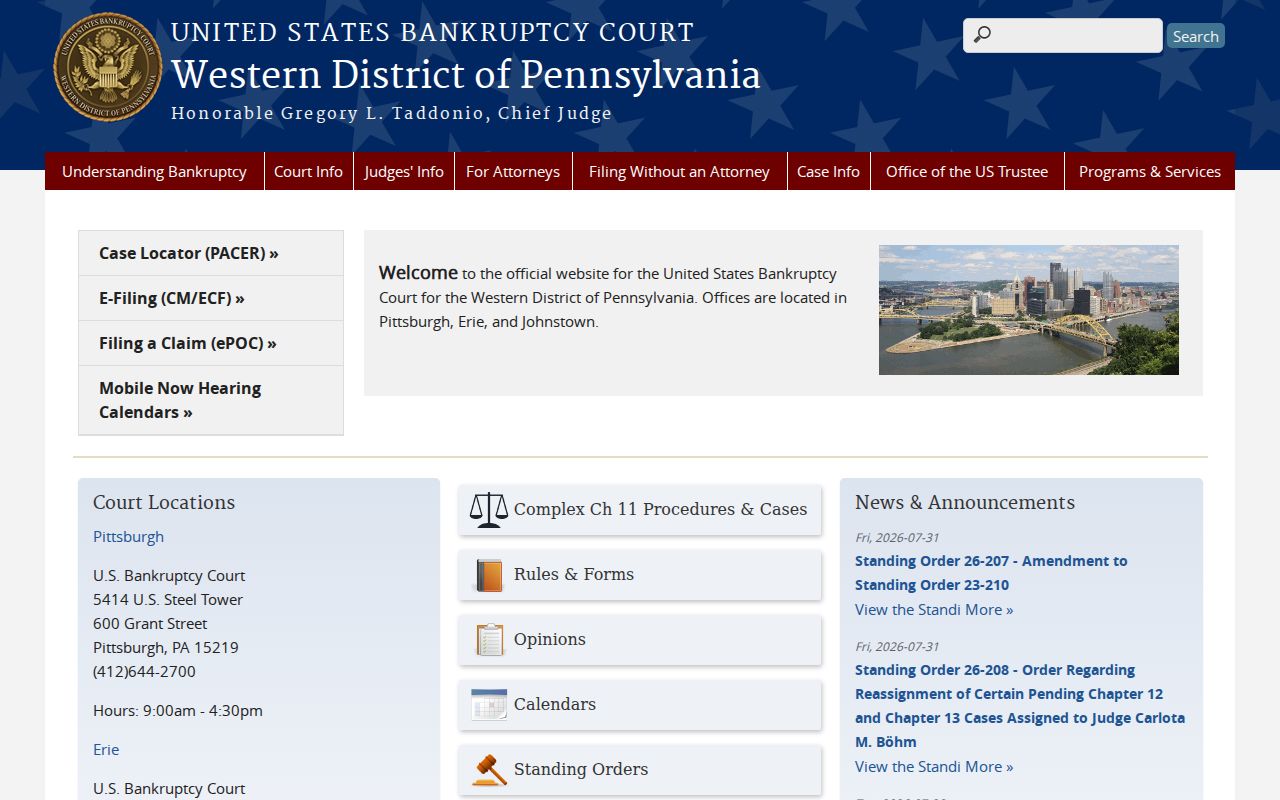
Bankruptcy is not a warrant database, but the separate federal source underscores that state and federal records cannot be merged into one Pennsylvania search.
Restricted Pennsylvania Warrant Records
Public access excludes or limits sealed arrest and search-warrant materials, active investigative detail, juvenile information, victim addresses, protected family information, and criminal-history data restricted by law. A search-warrant application, affidavit, inventory, or return can remain sealed during an investigation. The existence of a public case does not open every document filed within it.
A formal request can seek a named, releasable record. Court documents use UJS case-record procedure and the correct court custodian. Sheriff administrative records may follow the Right-to-Know Law, subject to investigative, security, privacy, and other exemptions. Ask for a written access decision when review rights matter. Do not use an unofficial people-search service to fill these lawful gaps.
Current status requires the same final check in every Pennsylvania county: read the whole chronology, locate the issuing authority, and confirm through that authority. Absence from UJS, a sheriff page, or a wanted list does not prove absence from secure systems.